Fun Comic Book: A Friendly Font for Your Brand Story
Choosing a font for your business can feel like choosing a voice. It whispers your brand's personality on your packaging, shouts your promotions on social media, and quietly reassures customers on your website. For many small business owners, a handwritten font like Fun Comic Book offers that perfect, personable tone—a simple and clean script that feels approachable, creative, and trustworthy.
The Personality Behind Fun Comic Book
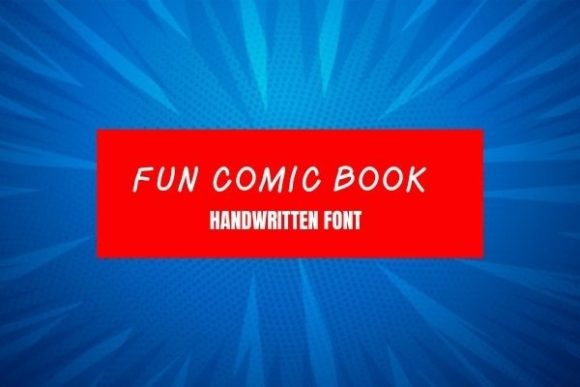
Fun Comic Book is a display font with a casual, handwritten style. It’s not overly ornate or messy; its charm lies in its clean consistency. The letters have a friendly, rounded quality that evokes a sense of warmth and creativity. It’s the kind of typeface that feels like a confident, personal note rather than a formal document. This mood is ideal for businesses that want to appear human, authentic, and a little bit playful without sacrificing professionalism.
Think of the brands you love that feel like they’re run by a real person. That connection often starts with visual cues, and your choice of typeface is a powerful one. Fun Comic Book’s script style naturally builds this bridge.
Making Your Brand Consistent Across Every Touchpoint
Brand consistency isn't just about using the same colors; it's about carrying the same feeling from your website to your product box. When customers see your Instagram post, then receive a package with your label, and later visit your online shop, they should feel it's all from the same, cohesive source. A distinct font like Fun Comic Book can be that unifying thread.
Let’s walk through some real applications. For a small bakery, Fun Comic Book could be the perfect typeface for the shop’s name on the storefront window, the logo on the business card, and the daily specials written on the chalkboard-style menu inside. On the packaging for a handmade candle brand, this font could beautifully render the product name on the label, creating an artisan feel. For a life coach or creative service provider, it could add a personal touch to website headers and the titles on downloadable PDF guides.
Using the same premium font across these materials—your logo design, product labels, social media graphics, and thank-you cards—builds recognition. Over time, that specific handwriting style becomes synonymous with your brand, making you more memorable.
Where Fun Comic Book Works Best
Fun Comic Book is a display font, meaning it’s designed for attention. Its primary role should be as an accent or headline typeface.
- Headlines & Logos: Use it for your business name, product titles, or key slogans.
- Packaging & Labels: Feature it for the main product name on your packaging design.
- Digital Accents: Implement it in website banners, Instagram post titles, Pinterest graphics, and digital ad headlines.
- Printed Highlights: Apply it on flyers, stickers, or thank-you card greetings where you want a personal touch.
It’s important to consider readability. While Fun Comic Book is beautifully clear at larger sizes, it may not be suitable for long paragraphs of text, especially on small mobile screens or tiny printed labels. For body text—like your website’s product descriptions, menu details, or blog posts—you’ll want to pair it with a more readable font.
Practical Pairings for a Balanced Look
A common best practice in design is to pair a distinctive display font with a simple, neutral font for all your supporting text. This creates a hierarchy: your fun, expressive typeface catches the eye, and your clean, readable font delivers the information.
- Pair Fun Comic Book with a clean sans serif font like Arial, Helvetica, or Open Sans for a modern, balanced look. This is excellent for tech startups, online shops, or service-based businesses.
- Pair it with a classic serif font like Georgia or Times New Roman for a touch of traditional warmth. This combination could work wonderfully for a boutique, a café menu, or a beauty brand wanting to blend creativity with elegance.
- The key is to test. Create a simple mockup of a business card or a web banner with your headline in Fun Comic Book and your body text in your chosen pairing. Does it feel cohesive? Does the supporting font allow your script to shine without competing?
Testing Before a Full Brand Commitment
Before you adopt Fun Comic Book across your entire brand identity, take some practical steps. Use it in a few temporary projects. Design a weekend sale graphic for social media. Mock up a new product label. See how it looks printed on a test sticker or as a large sign on your website.
Pay attention to how it renders on different mediums. Is it still legible when printed small on a tag? Does it appear crisp on your customers’ various mobile devices? This real-world testing will give you confidence that this creative font is a reliable asset for your fonts library.
A Note on Licensing for Business Use
When you’re using a font like Fun Comic Book for commercial purposes—on products you sell, client work you do, templates you distribute, or merchandise—it’s essential to check its licensing. Most fonts are sold with specific licenses that dictate how you can use them. Ensure you have the appropriate commercial font license for your intended use. This protects you and respects the designer’s work, allowing you to use this design asset freely and legally across all your customer-facing materials.
The Real Value of a Distinctive Typeface
In a crowded market, your visual identity is a quiet ambassador. Fun Comic Book, as a simple and clean handwritten font, offers a way to differentiate your business with warmth. It helps you look consistent because you use the same voice everywhere. It helps you look professional because a cohesive design system signals care and attention. It makes you recognizable because customers will begin to associate that friendly script with your quality.
Whether you’re finalizing your logo design, revamping your packaging design, or simply wanting your next batch of social media graphics to feel more authentically you, a font like this has the potential to elevate any creation. It turns generic materials into branded touchpoints, building a story that customers want to follow.